
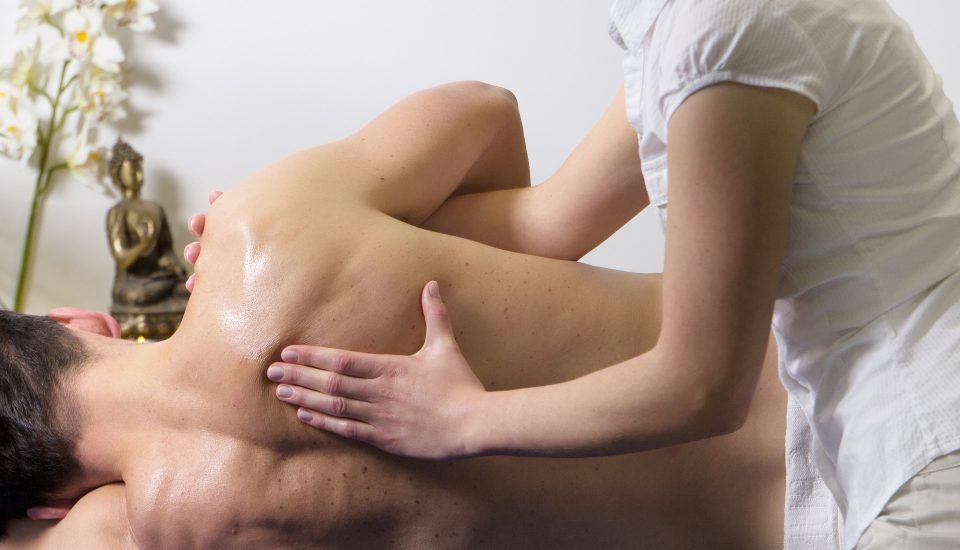
Difference Between Relaxation, Medical and Sports Massage

Difference Between Relaxation, Medical and Sports Massage

As more and more people consider getting massage therapy, there is also more confusion as to what kind of massage to get. For most people, their idea of a massage is what they see on television or the movies. Some will also get information from friends and family who have had a massage. What usually comes to mind is either the traditional Western or Swedish massage with long, gliding strokes or the sports warm up massage, sometimes called a rub-down, where the trainer administers short, choppy strokes to get the athlete ready for an event.

While these are not wrong perceptions, there are so many more options when it comes to therapeutic bodywork. There are many different variations and massage techniques. Most fall into just a few main categories such as Western massage and Asian or Eastern massage.

At PRI clinic, we offer 3 different types of massages.

Relaxation massage can fall under either Western or Eastern styles or techniques. Often there is a blending of the two. Most of the massage techniques used at spas, resorts, cruise ships and practitioners, either working alone or for larger companies, use relaxation type. Whether the practitioner is using long, gliding strokes, kneading strokes or even stretches and pressure points, the goal is for reduction of stress and an increase in relaxation. These sessions can be anywhere from a half hour to two hours in length, with the most popular being about an hour. This type of massage promotes relaxation, relieves stress, and induces a state of well-being.

Medical massage may use some of the techniques in both Eastern and Western massage, but the length of the session and the focus are different. With medical massage, the intent is usually rehabilitative or restorative. A person may have a prescription from a doctor for massage to help speed recovery from an injury such as a sprain or strain. Additional knowledge and training in the area of pathology is usually needed, as the massage therapist needs to know which conditions are contraindicated, which are safe and what techniques to use for various specific conditions or ailments. These sessions may be as short as 15 minutes and, in some cases, are covered by insurance.

Sports massage can overlap with medical massage. The massage therapist is often dealing with anyone from professional athletes to weekend warriors. Techniques include those needed for warm-up, cool-down and rehabilitation after injury. Most of the techniques used come from the Western massage branch of bodywork and may include some methods similar to those used in physical therapy. These sessions also may be as short as 15 minutes.

Importance of Gratitude

With X-mas festivities behind us and new and exciting year spinning into the next gear, it is important to realize that we have many tools under our belt that foster great health within us. One of them is the importance of feeling and expressing gratitude.

Gratitude is being in a state of appreciation, a state of thankfulness, for a thing, some person, or some situation in our lives. Gratitude has tremendous benefits that extend beyond simple appreciation for a one-time event.

Practicing gratitude in your life can make you more optimistic, friendly and outgoing; improve your relationships, productivity, and increase your ability to meet your goals. All of these factors contribute greatly to your emotional and physical well-being, and make you happier overall. By improving your relationships, you often become more resilient, less self-centered, and have more self-efficacy.

A daily practice of gratitude can positively impact our lives, including our personal and work lives, our physical health as well as our emotional health.

Gratitude Has Health Benefits, Too

Those who practice gratitude regularly experience:

•better sleep

•more energy

•less depression

•lower levels of inflammation and fatigue

Studies have shown that those with cardiovascular problems and those recovering from surgeries actually recover faster when engaging in a daily gratitude practice for as little as 5 minutes a day.

At PRI clinic, not only do we deliver great health care to help improve your mobility, reduce pain and inflammation, but we also promote these great psychological tools that act synergistically to the healing tools we provide at the clinic.

Being grateful allows you to focus on what is working in your life, rather than on what is not. A couple of things can happen when you focus your mind and energy on problems and on things that are negative in your life.

First, you waste your energy. Even if that were the only drawback, the fact is these types of situations leave you exhausted and drained for a reason: they sap your energy. Continuing to focus on these negatives and problems only serve to exhaust and drain you further.

Secondly, focusing on problems and negative situations blocks your ability to think of solutions. By continually bringing your mental awareness to a problem, you limit your thoughts to that problem. When you focus on the problems, your mind has no cognitive “space” left to find these solutions. You limit your ability to think creatively, to think of positive sides of the issue that may be part of a solution.

How Can We Be Grateful for Loss?

What do we do when faced with problems and negative situations? How can we be grateful for losing our job or when a relationship fails? For starters, we can focus on being grateful for those things in our lives that are positive and are working well. Then, even within the scope of a problem or negative situation, we can be grateful about certain aspects.

Gratitude forces you to be present and to look at the situation objectively, without getting mired in the negative emotion. While you most certainly do have a problem, there are many aspects of the problem that you can be grateful for.

Here are 3 quick and easy ways to increase the gratitude in your life:

1. Take a few minutes every day to make a list of things you are grateful for. Try to vary the list so that you go beyond listing the same few items. Try to find things to be grateful about from different aspects of your life and from different time frames in your life.

2. Put a spin on things. Find as many things as possible about a bad situation that you can be grateful for. For example, be grateful – even if it’s not your favorite job or place to live – that you even have a job and apartment!

3. Spend a few minutes meditating each day on the feeling of gratitude and truly experience the emotion of it.

If you are a do it yourself type of person, a great app that helps you accomplish some of the above can be found on this site: http://app.fiveminutejournal.com/

It is important to note, however that sometimes we can be in great state of emotional or physical pain, such after a motor vehicle accident and it can be difficult to find the courage to express gratitude in such situations. For such instances, please check out the chiropractors and psychological counselors at PRI clinic. We will help you get out of pain and back onto the road of well-being.

Pediatric Chiropractic Care

Chiropractors are no strangers to the question: “Is chiropractic care safe for children?” Extensive research on the subject of chiropractic care and techniques tailored to the unique bodies and needs of children indicates – Yes!

One common concern regarding pediatric chiropractic care is based upon a misunderstanding that everyone, regardless of age, receives the same techniques and treatments. However, just as a child sees a pediatrician, receives child-appropriate doses of medications, and responds differently than adults to different medical treatments, so too do children require tailored chiropractic care.

The field of pediatric chiropractic care is enormously large and effective, and has helped children across the globe. And just as different bodies young and old have different needs, chiropractors modify techniques depending on the age and development of the child.

Childhood chiropractic care has resulted in high improvement of conditions from musculoskeletal pains to GI ailments, and has been employed to successfully treat childhood asthma as well as pain in the back, joints, and soft tissues.

This summer, the Chiropractic Board of Australia and the American Chiropractic Association (ACA) released statements about the safety and efficacy of pediatric chiropractic care, asserting that the practice is gentle and effective. The ACA further cited over 115 years of scientific literature investigating adverse events in pediatric chiropractic care, and illustrated that such adverse events were “exceedingly rare.”

Pediatric chiropractic care has been demonstrated as an important component of childhood health care, and supports the wellbeing of young people through safe, gentle, and effective treatments.

Importance of a Nutritious Breakfast

It is commonly held belief that breakfast is the most important meal of the day, but until recently the prevailing argument was simply that breakfast eaters started the day with sounder cognitive function and set themselves up for overall better performance and achievement as the day progressed.

However, a recent study in the UK suggests that children who skip breakfast on a regular basis are likely missing out on all recommended essential nutrients throughout the day.

In general studies conducted over many years, skipping breakfast has been proven to increase the risk of diabetes, heart disease, reduced memory function, and weight gain. However, only recently have studies of nutrition shown the effects of missing out on micronutrients such as vitamins C, D, E, B-complex and K, folic acid and beta-carotene, and the correlation of obtaining these nutrients beginning with a meal at breakfast.

Iron and Calcium Deficiencies May Be Linked to Skipping Breakfast

Detailed statistics of participants in the study show that more than 30% of children who skip breakfast were low on iron, and more than 20% of the children were deficient in calcium. Comparatively, only 3% of children who ate breakfast regularly were low in iron and or calcium. Not surprisingly, fat intake throughout the day was higher when children did not eat breakfast.

Researchers determined that older children, those aged 11 to 18 years, were more likely than their younger peers (ages 4 -10 years) to skip breakfast. And girls were more likely than boys to begin their day without a meal. But the missing micronutrients in the younger breakfast skippers was greater than in the older group, indicating that the younger you are, the more important it is to eat breakfast so that your body can derive and process nutrition throughout the day.

Even children in the study who ate a nutritionally balanced diet despite not eating breakfast were still found, when tested, to be lacking in essential nutrients, further indicating that breakfast may be key to establishing efficient and balanced dietary intake. The study also indicated that children who did not eat breakfast ended up consuming the same number or fewer total calories as children who ate breakfast every day.

4 Benefits of Acoustic Wave Therapy

Acoustic Wave Therapy uses vibrations to soften the connective tissue under skin that hardens and causes cellulite. Acoustic Wave Therapy stimulates collagen growth in areas troubled by cellulite, rejuvenating the connective tissue beneath the skin and enhancing the appearance of cellulite. Here are some of the benefits of this cosmetic treatment.

1. Acoustic Wave Therapy Is Non-Invasive

Acoustic Wave Therapy is a non-invasive, outpatient procedure that carries no risk of scarring and few side effects. The treated area may take on a temporary reddened appearance, indicative of the increased blood circulation that occurs as connective tissues beneath the skin are relaxed. Acoustic Wave Therapy is one of the safest plastic surgery procedures, and most patients are able to return to normal activities on the very day of their treatment.

2. Acoustic Wave Therapy Is Painless

Acoustic Wave Therapy is a painless procedure that uses sound vibrations to treat cellulite. In fact, many patients report that undergoing Acoustic Wave Therapy is a pleasant experience.

3. Acoustic Wave Therapy Can Be Performed Over a Short Period of Time

One of the benefits of Acoustic Wave Therapy is that full treatment doesn’t take very long. Depending on the severity of cellulite, individual treatment sessions can last 15 to 45 minutes. Treatments are performed twice a week for three to six weeks. You’ll need a follow up treatment every three months.

4. Acoustic Wave Therapy Is Affordable

Acoustic Wave Therapy is a very affordable treatment for unsightly cellulite. Acoustic Wave Therapy costs between $80 and $150 per treatment session, depending on the region in which you live, the doctor who performs your procedure, and the extent and severity of your cellulite.

Tips to Stay Healthy During Holiday Season!

Whether you’re scheduled for a long road trip, shopping for a small army of friends and family members, wrapping dozens and dozens of gifts or camping out in the kitchen to get all your cooking complete, major holidays can easily put your body at risk of injury. Prolonged sitting, prolonged standing, extensive walking, awkward positions, overeating and plain old mental exhaustion are all common when the holiday season comes into full swing. Here are a few common sense tips to assist in keeping you healthy and pain-free this holiday season:

•Traveling: bring water and small snacks to stay well hydrated and to keep your blood sugar levels stable, wear comfortable shoes and clothing, bring along a small blanket and travel pillow, bring all required travel documents as well as any maps or reservations for rental cars and hotels, be careful and obtain assistance when handling heavy/bulky luggage and gifts – use a push cart or dolly and obtain assistance whenever appropriate and/or possible

•Shopping: bring water and small snacks to stay well hydrated and to keep your blood sugar stable, wear comfortable shoes and clothing, have your shopping day pre-planned in regards to locations to visit and gifts to purchase, use shopping carts when available and take gifts to your vehicle frequently rather than risking injury by lugging pounds of gifts from store to store, be careful and obtain assistance when handling heavy/bulky gifts

•Cooking: maintain proper posture while at the counter/sink, alternate between sitting and standing positions, take frequent breaks, stretch often, careful when using knives and other sharp objects

•Gift Wrapping: maintain proper posture, stretch frequently, be careful not to leave scissors or sharp cutting objects on the floor where they can be accidentally stepped on or where they can be accessed by small children or animals, be careful and obtain assistance when moving or wrapping larger or bulky gifts

•Holiday Eats and Treats: do your best to avoid over indulgence of those holiday eats and treats, maintain activity levels to counter act all that holiday feasting, avoid driving when you’ve consumed those holiday spirits

•Treat Your Body To A Holiday Gift: if you find those aches and pains creeping in or just want to be in tiptop shape this holiday season, stop by your chiropractor’s office and treat your body to the most valuable gift of all… the gift of health!

« Previous PageNext Page »